What Marine Life Will You See During Komodo Snorkeling?
Komodo National Park, a UNESCO World Heritage Site since 1991, offers opportunities for komodo snorkeling, showcasing a vibrant underwater ecosystem. This marine protected area spans over 1,733 square kilometers, supporting an estimated 1,000 fish species and more than 260 types of reef-building corals. Snorkelers here frequently encounter large pelagic life alongside intricate reef formations. According to reports from the Indonesian Ministry of Marine Affairs and Fisheries, the park’s biodiversity ranks among the highest globally, making it a prime destination for marine observation.
The Giants of the Reef: Manta Rays and Sea Turtles
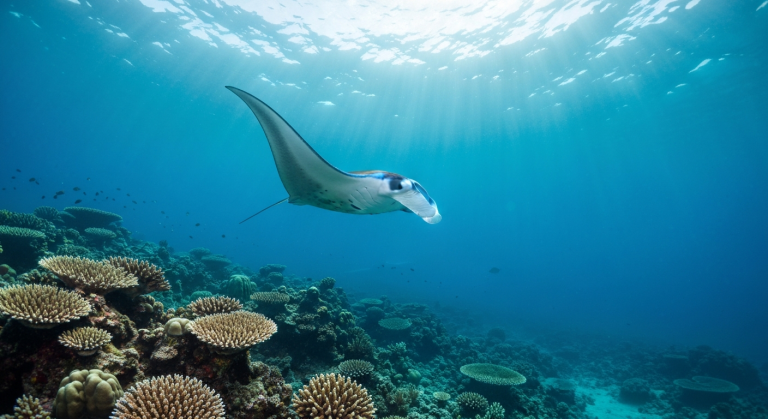
Komodo National Park is renowned for its resident populations of manta rays and sea turtles, providing consistent sightings for komodo snorkeling enthusiasts. Manta Point and Manta Alley, located in the park’s southern waters, are primary aggregation sites. Here, snorkelers regularly observe both oceanic manta rays (Mobula birostris) and reef manta rays (Mobula alfredi) with wingspans up to 7 meters. The peak season for manta ray snorkeling in Komodo runs from June through October, when plankton blooms are most active. Sea turtles are also a common sight, with Green Sea Turtles (Chelonia mydas) and Hawksbill Sea Turtles (Eretmochelys imbricata) frequently spotted grazing on seagrass beds or resting on coral bommies. Siaba Besar, often called “Turtle Point,” is particularly known for its calm, shallow waters, offering excellent opportunities to observe these reptiles. Experienced guides ensure safe interactions, maintaining respectful distances from all marine life.
Kaleidoscope of Corals and Reef Fish
The coral reefs within Komodo National Park are exceptionally healthy and diverse, forming the foundation of its rich marine ecosystem. Scientists have identified over 260 species of hard corals and 70 species of soft corals across the park’s varied habitats. Snorkelers witness an explosion of color and life among these structures. Common reef fish include parrotfish, angelfish, butterflyfish, and various species of clownfish among anemones. Schools of fusiliers, snappers, and trevally often patrol the reef edges, especially at sites like Pink Beach and Kanawa Island. Visibility often exceeds 20 meters, allowing for clear views of these intricate underwater communities. The sheer density of reef fish in certain areas, such as Batu Bolong, can be overwhelming, with thousands of individuals moving in unison.
Smaller Wonders: Nudibranchs, Crabs, and Eels
While the large marine life attracts significant attention, the smaller inhabitants of Komodo’s reefs offer equally fascinating observations during komodo snorkeling. Nudibranchs, often called sea slugs, are abundant in various shapes and vibrant colors, with over 100 species documented in the region. These mollusks are typically found on coral or rocky substrates in shallower areas, making them accessible even for beginner snorkelers. Various crab species, including porcelain crabs and decorator crabs, blend seamlessly into their surroundings. Moray eels, such as the Giant Moray (Gymnothorax javanicus) and the Fimbriated Moray (Gymnothorax fimbriatus), are often seen peeking from their crevices in the coral, their heads swaying gently. Many of these smaller creatures thrive in the calm, protected bays, offering detailed viewing opportunities for those who observe closely.
Waters: Safety and Currents
Understanding the marine environment is crucial for safe and rewarding komodo snorkeling. Komodo National Park is known for its strong, nutrient-rich currents, which contribute to its exceptional biodiversity. However, tours prioritize safety, employing experienced guides with extensive knowledge of local conditions. Operators typically maintain a guide-to-guest ratio of 1:6 or better for small-group day trips. Sites like Siaba Besar and Kanawa are often recommended as the best Komodo snorkeling for beginners and families with children aged 7-15, due to their calmer, shallower waters and reduced current exposure. Guides conduct thorough briefings on current patterns and safety protocols before each entry. Emergency oxygen and communication radios are standard equipment on reputable tour vessels, ensuring a secure experience for all participants. Information regarding current safety practices is readily available on our About Us page.
Prime Snorkeling Locations for Marine Encounters
Komodo National Park offers numerous snorkeling sites, each with unique characteristics and marine inhabitants. Identifying the best spots can enhance your chances of specific encounters.
- Manta Point / Manta Alley: The premier locations for observing manta rays, especially from June to October.
- Pink Beach: Features vibrant soft corals and abundant reef fish in relatively calm, shallow waters, alongside its distinctive sand.
- Siaba Besar: Known as “Turtle Point,” offering calm conditions ideal for spotting green and hawksbill sea turtles. Excellent for beginners.
- Kanawa Island: Provides extensive shallow coral gardens teeming with small reef fish and occasional blacktip reef sharks.
- Taka Makassar: A crescent-shaped sandbar surrounded by clear waters, often with sightings of small reef sharks and schools of fish.
- Batu Bolong: A small rock pinnacle with incredibly healthy and dense coral formations, home to a vast array of reef fish. Requires careful current management.
- Sebayur Kecil: Offers gentle currents and diverse hard coral gardens, suitable for various skill levels and often features schools of fusiliers.
- Castle Rock: A challenging site known for strong currents but also for pelagic fish like trevally, barracuda, and occasional sharks. Best for experienced snorkelers.
Seasonal Variations and Visibility
The Komodo snorkeling season experiences some variation in marine life sightings and water conditions throughout the year. The dry season, from April to November, generally offers the best visibility, often exceeding 25 meters, with calm seas and water temperatures ranging from 26°C to 29°C. This period coincides with the peak manta ray season, particularly from June to October, when plankton concentrations are optimal. During the wet season, from December to March, the northern sites of Komodo National Park typically maintain good visibility and calmer conditions, while southern sites might experience stronger waves and reduced clarity due to increased rainfall and runoff. Water temperatures remain consistently warm, averaging 27°C to 30°C. Planning your trip around these seasonal trends can maximize your chances of encountering specific marine species and enjoying optimal conditions. Further details on specific months, like Komodo snorkeling season June September, are available on our dedicated tour pages.
Planning Your Komodo Snorkeling Experience
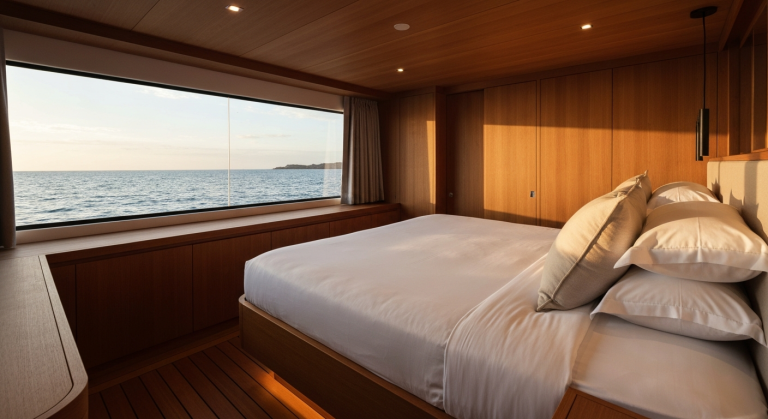
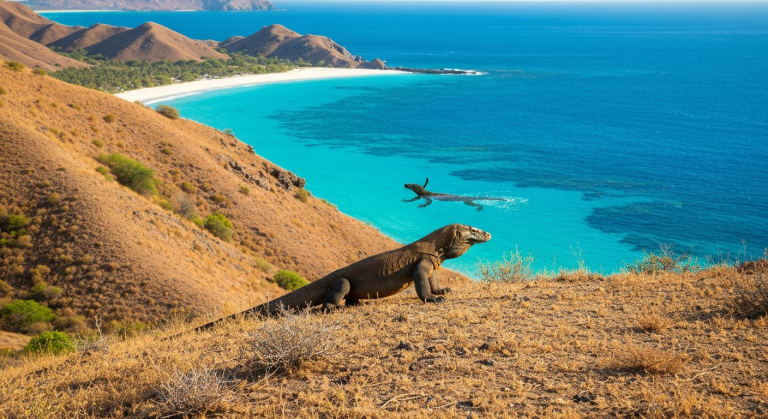
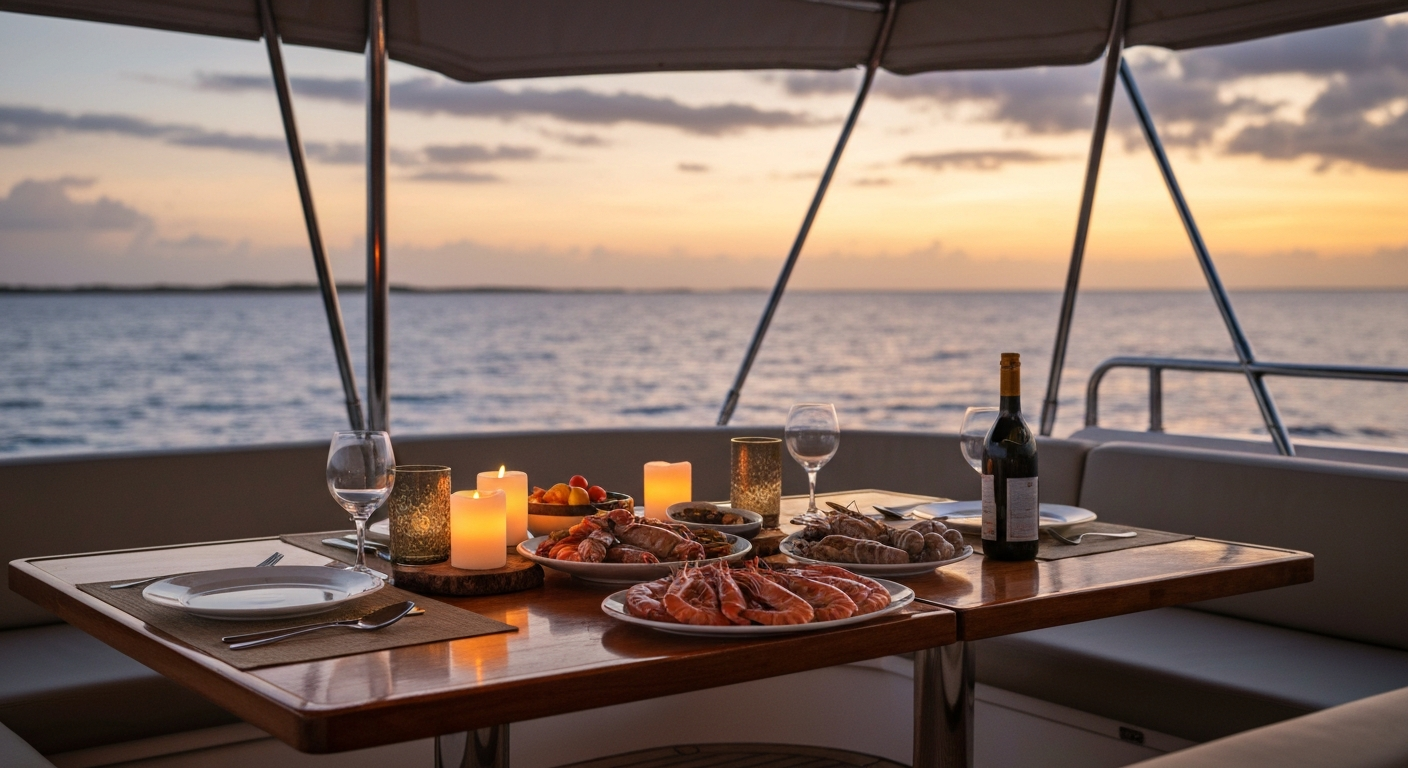
Choosing the right tour operator is key to a memorable Komodo snorkeling experience. Komodo Snorkeling Tours offers various options, from shared day trips departing from Labuan Bajo to multi-day liveaboard adventures. A typical small-group day trip, accommodating 10-18 guests, includes visits to 3-4 prime snorkeling spots, lunch, and professional guides. For those seeking a more extended exploration, 3-day/2-night tours provide deeper immersion into the park’s diverse marine environments, often including visits to Komodo or Rinca Island to see the dragons. Our tours prioritize safety, utilizing well-maintained boats equipped with necessary emergency gear. Whether you are a beginner or an experienced snorkeler, our expert team helps you navigate the park’s currents and identify its incredible marine inhabitants. For detailed itineraries and pricing, please visit our Tours or Pricing sections.
Komodo National Park remains a global hotspot for marine biodiversity, offering an extraordinary komodo snorkeling experience. The opportunities to witness manta rays, sea turtles, and vibrant coral reefs teeming with fish are consistent and profound. This unique ecosystem, recognized by UNESCO, requires careful management and respectful interaction. Plan your visit to this Indonesian marine marvel and discover the rich underwater world firsthand. Learn more about conservation efforts and the park’s significance on Indonesia.Travel.