Best Time of Year for Snorkeling in Komodo National Park
Komodo National Park, a UNESCO World Heritage Site established in 1980, offers snorkeling opportunities year-round. This marine protected area encompasses 1,733 km² of rich biodiversity, primarily focused on safeguarding the Komodo dragon and its marine habitat. Water temperatures in the park generally remain warm, fluctuating between 26°C and 29°C throughout the year, making it an accessible destination for UNESCO reports. Understanding the seasonal nuances, however, can significantly enhance a Komodo snorkeling experience, influencing visibility, current strength, and the likelihood of encountering specific marine life like manta rays.
The Dry Season Advantage: May to October
The dry season, spanning from May to October, is widely considered the optimal period for Komodo snorkeling. During these months, the weather is consistently sunny with minimal rainfall, leading to exceptionally calm seas and superior underwater visibility. Water clarity often exceeds 20 meters, particularly in the northern reaches of the park.
Air temperatures average 28°C-32°C, complementing the comfortable water conditions. This period also coincides with increased upwelling, which brings nutrient-rich waters to the surface, attracting a diverse array of marine life. Manta ray sightings are particularly frequent from June to October at designated sites like Manta Point and Manta Alley.
Travelers planning a Komodo snorkeling tour from Labuan Bajo during this peak season will find a full range of options. Small-group day trips typically cost between USD 80-150 per person, offering a well-rounded experience. Demand for 3-day, 2-night Komodo snorkeling tours is also high, requiring advance booking.
Wet Season Considerations: November to April
While the dry season is popular, the wet season from November to April still offers rewarding Komodo snorkeling experiences, often with fewer crowds. Rainfall is more prevalent during these months, peaking in January and February, which can occasionally reduce underwater visibility to 10-15 meters in localized areas.
Despite the rain, water temperatures remain warm, typically hovering around 26-28°C. The southern sites of Komodo National Park, such as Padar Island’s southern bays, often maintain better visibility during this period due to differing current patterns. Northern Komodo sites like Siaba Besar continue to offer sheltered, accessible snorkeling.
For those seeking value, Komodo snorkeling day trip prices might see slight reductions, though reputable operators maintain consistent service standards. A 3-day, 2-night simple cabin boat liveaboard can range from USD 250-450 per person, offering a comprehensive exploration regardless of the season. Planning a Labuan Bajo itinerary for 4 days with Komodo snorkeling during this time can be a serene experience.
Manta Rays and Marine Life Peaks
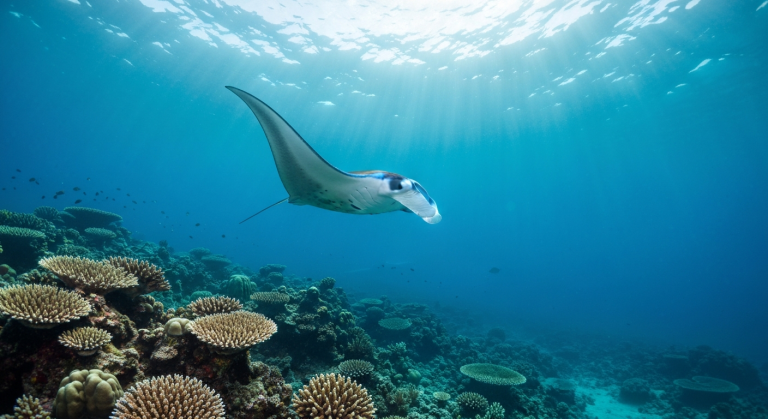
Komodo National Park is renowned for its vibrant marine biodiversity, with manta rays being a major draw for snorkelers. While manta rays are present year-round, peak sightings occur from June to October, when their feeding grounds are most active in the central and northern areas of the park. Specific locations like Manta Point and Manta Alley are prime spots for these encounters.
Water currents at Manta Point can reach 2-4 knots, which is ideal for manta feeding but requires experienced guides for safe snorkeling. Beyond mantas, snorkelers frequently encounter green sea turtles, reef sharks, and an abundance of colorful reef fish. Pink Beach Komodo snorkeling also reveals vibrant soft corals and healthy reef ecosystems, with visibility averaging 15-20 meters.
The cooler waters in the southern parts of the park, particularly around Nusa Kode, can also attract pelagic species during specific times of the year, though these sites are less frequently visited by standard snorkeling tours. Understanding these seasonal marine life patterns is key for those prioritizing specific encounters.
Understanding Currents and Safety
Komodo National Park is situated in a dynamic marine environment, characterized by strong and unpredictable currents. These currents, generated by tidal exchanges between the Indian Ocean and the Flores Sea, are a major factor contributing to the park’s rich biodiversity. However, they also present safety considerations for snorkelers.
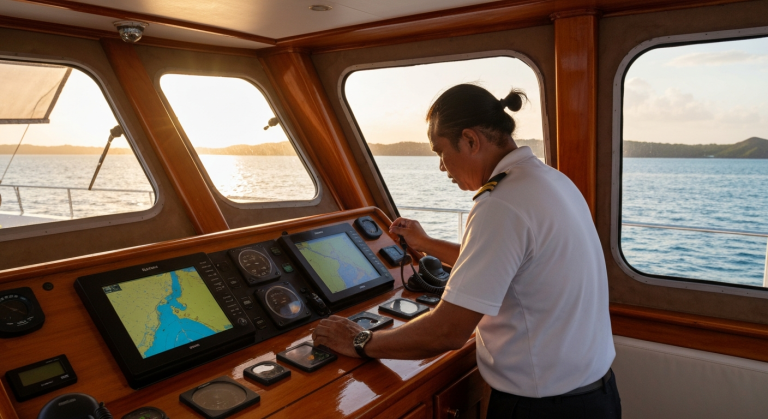
Currents in channels and passes can regularly exceed 5 knots, making it crucial to choose an operator with extensive local knowledge. Reputable Komodo snorkeling tours prioritize safety, maintaining a guide-to-guest ratio of at least 1:6 and equipping boats with essential safety gear, including emergency oxygen and proper life jackets. Briefings on current conditions and entry/exit procedures are standard.
For beginners and families, sites like Kanawa Island or Siaba Besar offer calmer, shallower conditions with depths of 3-10 meters, providing a safe and enjoyable introduction to Komodo’s underwater world. Discussing current experience and comfort levels with your tour operator beforehand is always recommended to ensure a suitable itinerary. Is Komodo safe for snorkeling currents? Yes, with the right operator and guidance.
Trip Planning and Tour Options
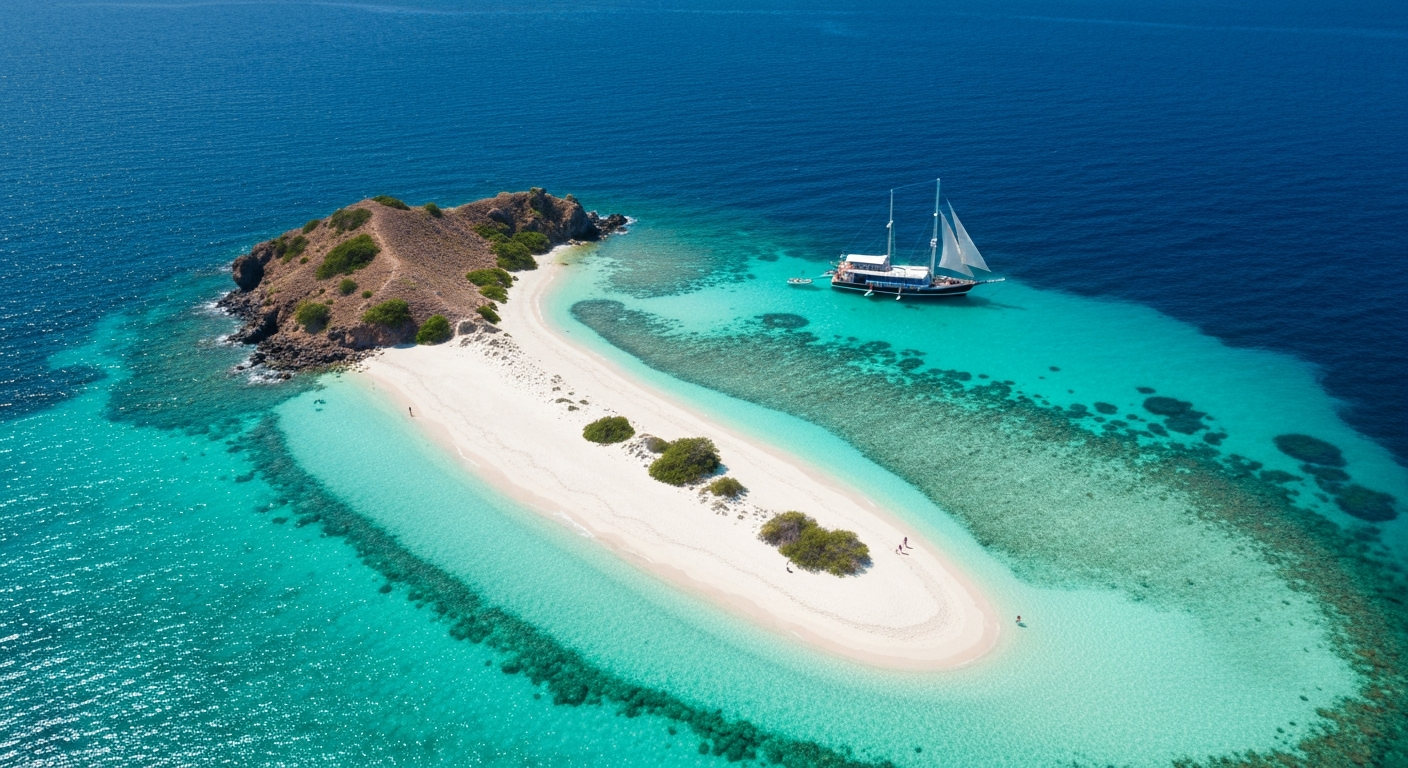
Planning your Komodo snorkeling adventure involves selecting the right tour type and duration to match your preferences and budget. Labuan Bajo serves as the primary gateway, offering a range of options from day trips to multi-day liveaboards. Shared day trips typically last 8-10 hours, visiting 3-4 key sites like Pink Beach, Taka Makassar, and a manta ray spot.
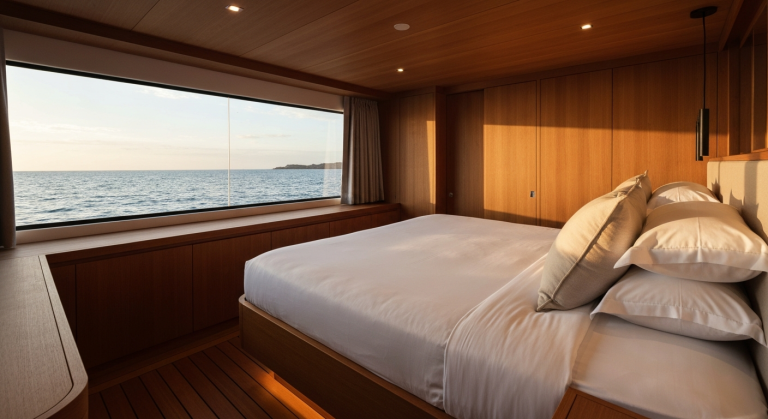
For a more immersive experience, 3-day, 2-night Komodo snorkeling tours are popular, often combining multiple snorkeling locations with a visit to Rinca or Komodo Island for dragon trekking. These liveaboards can range from simple cabin boats to more luxurious phinisi vessels. For those seeking exclusivity, a private Komodo snorkeling charter provides the flexibility to customize itineraries and avoid crowds.
Komodo liveaboard snorkeling only options cater specifically to avid snorkelers, bypassing the land-based dragon treks for more time in the water. Many operators provide English-speaking guides and clear online booking processes, crucial for international travelers. For more detailed options, explore our Komodo Snorkeling Tours page.
Key Considerations for Your Komodo Snorkeling Trip
When planning your Komodo snorkeling adventure, several factors will influence the quality and safety of your experience:
- Operator Safety Standards: Prioritize companies with excellent safety records, trained guides, and well-maintained boats. Look for reviews mentioning “felt safe” and “good briefing.”
- Itinerary Focus: Decide if you prefer dedicated snorkeling, or a mix of snorkeling and land excursions (e.g., Komodo dragon trekking, Padar Island hike). Check if must-have sites like Manta Point and Pink Beach are included.
- Group Size Preference: Options range from large shared boats (20-40 pax, USD 40-80 day trip) to small-group premium speedboats (6-12 pax, USD 150-250+ day trip) or private charters.
- Marine Life Priorities: If manta rays are a priority, aim for June-October. Discuss with the operator about recent sightings.
- Current Experience Level: Inform your operator if you are a beginner or traveling with children. They can recommend calmer, family-friendly Komodo snorkeling trip sites like Siaba Besar.
- Trip Duration & Budget: From a single Komodo snorkeling day trip price (USD 40-150) to multi-day liveaboards (USD 250-1200+ for 3D2N), options vary widely. See our pricing for more details.
- Language Support: Confirm that guides and staff can communicate effectively in your preferred language, whether English, French, German, or Spanish.
- Recent Reviews & Photos: Check up-to-date testimonials and media to gauge current conditions and operator quality. The official Indonesia travel site provides general destination information.
Komodo National Park offers an exceptional snorkeling experience throughout the year, with the dry season (May to October) providing the most consistent calm seas and excellent visibility, particularly for manta ray encounters. The wet season (November to April) still delivers incredible underwater beauty, often with fewer visitors and warm water temperatures. Regardless of the season, prioritizing safety, understanding current conditions, and choosing a reputable tour operator are paramount for an unforgettable adventure. To plan your visit, explore our Komodo Snorkeling Tours and discover the best options for your schedule and preferences.