Preparing for Your Unforgettable Komodo Snorkeling Adventure
Komodo snorkeling offers access to one of the world’s most vibrant marine ecosystems, situated within the Komodo National Park, a designated UNESCO World Heritage site since 1991. This archipelago, located in Indonesia’s East Nusa Tenggara province, attracts an estimated 150,000 international visitors annually, primarily for its underwater biodiversity and the famous Komodo dragons. Planning your Komodo snorkeling adventure requires understanding the unique currents and seasons to maximize encounters with species like manta rays and reef sharks, ensuring a safe and rewarding experience in this biodiverse hotspot.
Understanding Komodo’s Marine Environment
Komodo National Park’s waters are characterized by strong, nutrient-rich currents, particularly around the straits between islands. These currents, while requiring careful navigation by experienced guides, are responsible for sustaining the area’s rich marine life, including over 1,000 fish species and 350 coral species. Water temperatures typically range from 26°C to 29°C (79°F to 84°F) year-round, making it comfortable for extended snorkeling sessions. Visibility often exceeds 20 meters, though it can fluctuate based on tides and specific locations. Areas like Siaba Besar are known for calmer conditions, making them ideal for beginners and families, while sites such as Manta Point often experience stronger surges dueating to their open ocean exposure.
Top Snorkeling Locations for Your 2026 Trip
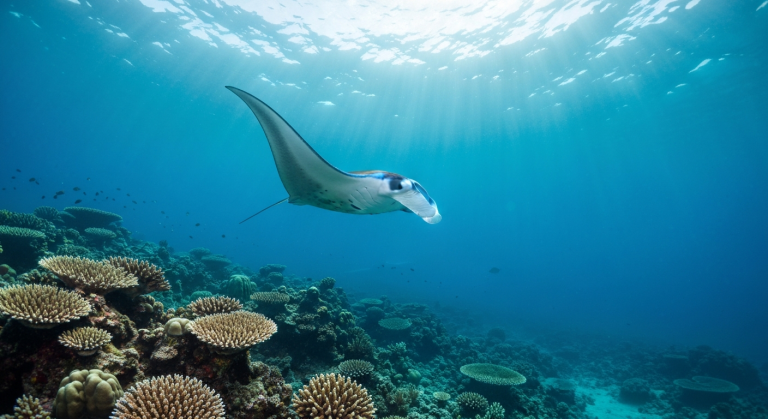
The Komodo archipelago hosts several premier snorkeling sites, each offering distinct experiences for those seeking the best Komodo snorkeling spots in 2026. Manta Point, or Manta Alley, is a critical site for encountering majestic manta rays, with sightings most common between June and October. Pink Beach (Pantai Merah) is famous for its unique reddish sand, a result of microscopic organisms, alongside vibrant shallow reefs teeming with parrotfish and sea turtles. Taka Makassar, a crescent-shaped sandbar, provides shallow, clear waters perfect for relaxed snorkeling and spotting juvenile reef sharks. Kanawa Island and Siaba Besar offer calmer conditions, making them excellent choices for family-friendly Komodo snorkeling trips and beginners, showcasing diverse hard and soft corals within easy reach of the surface.
Planning Your Komodo Snorkeling Tour from Labuan Bajo
Most Komodo snorkeling tours originate from Labuan Bajo, the gateway town on Flores Island. Visitors can choose from various options, including full-day trips, 2-day/1-night, or 3-day/2-night liveaboard experiences. A typical Komodo snorkeling day trip price ranges from USD 80-150 for small-group tours (10-18 passengers) on quality boats, including lunch and safety gear. For extended stays, 3 day 2 night Komodo snorkeling tours, often on simple cabin boats, cost around USD 250-450 per person, providing more extensive exploration. Private Komodo snorkeling charters are available from USD 500-1,200+ for a 3-day/2-night experience, offering tailored itineraries and increased flexibility for groups or families. These tours often combine snorkeling with visits to see Komodo dragons on Rinca or Komodo Island.
Safety and Preparation for Komodo Snorkeling
Ensuring safety is paramount when planning any Komodo snorkeling adventure, especially given the region’s strong currents. Reputable operators prioritize boat condition, providing lifejackets, emergency oxygen, and radio communication. Guide-to-guest ratios are crucial, with experienced guides offering comprehensive briefings on currents and marine life etiquette. For those asking “is Komodo safe for snorkeling currents,” the answer is yes, with the right guidance. Beginners should select tours specifically designed for less experienced snorkelers, often visiting calmer sites like Siaba Besar. Always communicate your comfort level to your guide. Wearing reef-safe sunscreen, a rash guard for sun protection, and ensuring your mask and snorkel fit correctly are essential preparations.
When to Visit: Komodo Snorkeling Season
The Komodo snorkeling season generally runs year-round, but specific periods offer optimal conditions for certain marine encounters. The peak season for manta ray sightings, particularly at Manta Point and Manta Alley, spans from June to October. During these months, the cooler, plankton-rich waters attract large aggregations of these gentle giants. Water visibility is consistently excellent across the park from April to December. For those asking about “Komodo snorkeling season June September,” this period represents some of the best overall conditions for both marine life and comfortable surface temperatures. While snorkeling is possible in the wet season (January to March), occasional heavy rainfall and rougher seas can impact visibility and accessibility to certain sites.
Essential Gear and Operator Considerations for Komodo Snorkeling
Selecting the right equipment and tour operator significantly enhances your Komodo snorkeling experience. While most tours provide basic gear, bringing your own well-fitting mask and snorkel can improve comfort. Fins are typically supplied and are essential for navigating currents safely. Consider a reef-safe wetsuit or rash guard for sun protection and added warmth during longer sessions. When choosing an operator, prioritize those with strong safety records, clear communication channels (e.g., WhatsApp support), and guides proficient in English, French, or German. Look for recent reviews mentioning “felt safe” or “good briefing” to gauge their professionalism. Komodo Snorkeling Tours provides comprehensive equipment and experienced guides for all its expeditions.
Key Considerations When Booking Your Komodo Snorkeling Tour:
- Safety Standards: Confirm the operator provides essential safety equipment like life jackets, emergency oxygen, and maintains well-serviced boats.
- Guide Expertise: Inquire about guide experience, especially with local currents and marine life identification.
- Itinerary Specifics: Ensure the itinerary includes your must-see spots, such as Manta Point or Pink Beach, and clarifies time spent in the water versus land excursions.
- Group Size: Decide between large shared boats (20-40 pax) for budget travel or smaller groups (6-18 pax) for a more personalized experience.
- Inclusions: Verify what is covered in the Komodo snorkeling day trip price, including meals, park fees (typically USD 20-30/day), and equipment rental.
- Marine Life Focus: If manta ray snorkeling Komodo is a priority, choose a tour known for visiting Manta Point during the peak season.
- Language Support: Confirm the availability of English-speaking guides and staff for clear communication.
- Booking Convenience: Look for operators offering clear online booking and instant confirmation.
- Reviews and Reputation: Check recent 2025 and 2026 reviews on platforms like TripAdvisor for social proof regarding safety and service quality.
Komodo National Park offers an opportunity for underwater exploration, whether you are a seasoned snorkeler or a beginner. From the vibrant coral gardens of Kanawa to the thrilling encounters with manta rays, each site presents a unique spectacle. Understanding the marine environment, choosing the right tour, and prioritizing safety will ensure your experience is both rewarding and secure. For more detailed information on specific tour options and pricing, please visit our Tours page or contact us directly. Prepare to discover the wonders beneath the surface of Komodo.