Discover Affordable Komodo Islands Snorkeling Tours Today
Komodo National Park, a UNESCO World Heritage site, remains a premier destination for marine enthusiasts in 2026, drawing over 200,000 visitors annually for its unique biodiversity. UNESCO recognized the park in 1991, primarily for its Komodo dragons, but its underwater ecosystems are equally significant. Snorkeling in Komodo offers access to over 1,000 fish species and 350 coral species, providing an experience without needing full diving certification.
Understanding Komodo Snorkeling Tours from Labuan Bajo
Labuan Bajo, located on Flores Island, serves as the primary gateway for Komodo snorkeling tours, with daily departures catering to diverse budgets and preferences. A typical shared day-trip starts from approximately USD 40–80 per person, often accommodating 20–40 passengers on larger vessels. These tours generally include three to four snorkeling stops and a visit to Komodo or Rinca Island for dragon viewing.
For those seeking more personalized experiences, small-group day-trips, priced between USD 80–150, limit passenger numbers to 10–18, using faster boats and providing better amenities like a dedicated guide and safety equipment. These options frequently depart early, around 6:00 AM, to maximize time at prime snorkeling locations before crowds arrive. Most operators include lunch, water, and snorkeling gear in the tour price.
Premier Snorkeling Spots and Marine Encounters
Komodo National Park boasts several world-renowned snorkeling sites, each offering distinct marine life and underwater landscapes. Manta Point, for instance, is a critical feeding ground where snorkelers have a high chance of encountering manta rays, particularly between June and October when water temperatures are optimal. Visibility here can range from 15 to 25 meters, providing clear views of these majestic creatures.
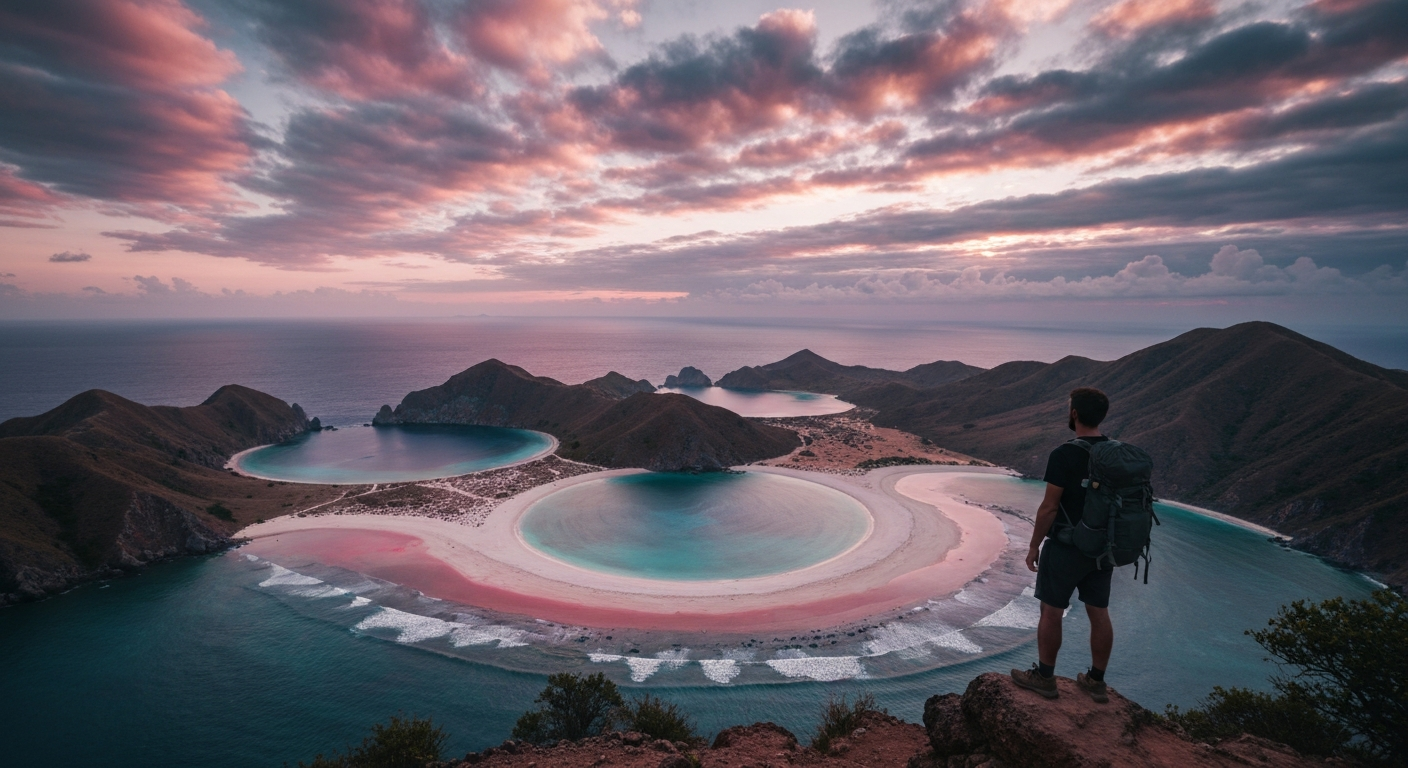
Pink Beach, locally known as Pantai Merah, is another iconic site, famous for its unique reddish sand derived from microscopic foraminifera. The shallow reefs directly off Pink Beach are home to vibrant soft and hard corals, alongside reef fish like clownfish and parrotfish, making it ideal for beginners and families. Siaba Besar and Kanawa Island offer calm, clear waters with extensive coral gardens and frequent sightings of green sea turtles and reef sharks. Indonesia.travel highlights these locations for their ecological significance.
Safety Protocols and Suitability for All Skill Levels
Safety is a paramount concern for Komodo snorkeling tours, especially given the dynamic currents that can occur in certain areas. Reputable operators adhere to strict safety standards, including providing well-maintained boats, sufficient lifejackets for all passengers, and emergency oxygen on board. Guides are trained in first aid and experienced in park’s waters, offering detailed briefings on current conditions at each site.
For beginners and families with children aged 7-15, tours often prioritize calmer sites like Siaba Kecil or the protected bays around Kanawa. Many tours offer a guide-to-guest ratio of 1:8 or better, ensuring personalized attention and assistance in the water. Travelers should confirm the availability of experienced guides who can assess current strength and adjust itineraries accordingly, prioritizing guest well-being above all else. Information on safe travel practices is available through Kemenparekraf.go.id.
Tour Duration and Accommodation Options
Komodo snorkeling tours are available in various durations, ranging from full-day excursions to multi-day liveaboard experiences. Day trips typically last 8-10 hours, departing from Labuan Bajo in the early morning and returning by late afternoon. These are suitable for travelers staying in local guesthouses or hotels, which range from USD 15–35 per night for budget options to USD 40–120 for mid-range accommodations.
For a more immersive experience, 2-day/1-night or 3-day/2-night liveaboard options are popular, allowing access to more remote snorkeling sites and stunning sunset views. Simple cabin boats for shared departures cost between USD 250–450 per person for a 2D1N trip, including meals and accommodation on board. Upper-mid-range liveaboards, often on traditional wooden phinisi boats, can exceed USD 500–1,200+ for a 3D2N trip, offering enhanced comfort and dedicated snorkeling guides.
Planning Your Komodo Snorkeling Adventure
Choosing the right Komodo snorkeling tour involves considering several factors beyond just price. Here are key elements to evaluate:
- Itinerary Details: Confirm inclusion of Manta Point, Pink Beach, and a Komodo dragon encounter.
- Boat Condition: Inquire about safety equipment, boat maintenance records, and onboard facilities.
- Guide Experience: Ensure guides are certified, fluent in English, and knowledgeable about local marine life and currents.
- Group Size: Decide between large shared boats (20-40 pax), small groups (10-18 pax), or private charters (6-12 pax).
- Marine Life Seasonality: Mantas are more common June-October; water clarity varies with the monsoon season.
- Inclusions: Check if meals, water, snorkeling gear, and park fees are covered.
- Booking Convenience: Look for clear online booking processes, instant confirmation, and responsive communication channels like WhatsApp.
Booking in advance, especially during peak season (June to October), is highly recommended to secure preferred dates and ensure availability. Many operators offer flexible booking policies with free cancellation windows. You can view our various Komodo Snorkeling Tours to compare options directly.
Best Season to Visit and Current Considerations
The dry season, from April to November, is generally considered the best time for Komodo snorkeling due to calm seas, abundant sunshine, and excellent visibility. During this period, particularly between June and October, the chances of encountering manta rays at Manta Point are significantly higher. Water temperatures typically range from 26°C to 29°C, making for comfortable snorkeling conditions.
While currents are a natural feature of Komodo’s dynamic marine environment, experienced tour operators are adept at planning itineraries around them. They utilize tide charts and local knowledge to visit sites during optimal current conditions, ensuring safety and maximizing enjoyment. For example, some sites are best visited during slack tide, while others, like Manta Point, often benefit from gentle currents that bring in plankton, attracting larger marine life. Our Safety Information page provides further details on how we manage these conditions.
Komodo National Park offers an accessible and diverse snorkeling experience for every type of traveler, from budget-conscious explorers to those seeking luxury liveaboards. By prioritizing safety, understanding itinerary specifics, and choosing the right time to visit, guests can maximize their chances of an unforgettable encounter with the park’s vibrant marine ecosystems. We invite you to explore our comprehensive range of Komodo snorkeling tour packages tailored to different budgets and interests. For personalized assistance, please contact us directly.